How to Use Small Zip Ties for Organizing and DIY Projects
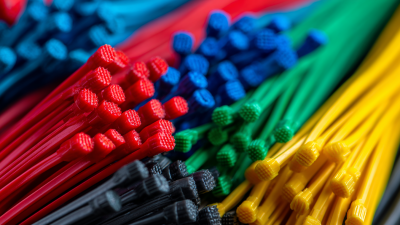
Small zip ties are often overlooked tools that can transform the way we organize and approach DIY projects. These versatile fasteners come in a variety of sizes and colors, allowing for endless possibilities when it comes to tidying up your space or adding creativity to your crafts. From managing cables and cords to creating custom solutions for storage, small zip ties provide an efficient and cost-effective way to harness chaos and bring order to your environment.
In many household or craft scenarios, small zip ties prove to be invaluable. They help keep wires neat and tangle-free, streamline gardening tasks by supporting plant growth, and even facilitate creative DIY decorations. By incorporating small zip ties into your organizing toolkit, you can easily declutter spaces and maintain an aesthetically pleasing environment.
Whether you are a seasoned DIY enthusiast or a beginner looking to improve your organizational skills, understanding the practical uses of small zip ties can significantly enhance your projects. This guide will delve into innovative ways to integrate small zip ties into your routine, showcasing their functionality and encouraging you to think outside the box.

Understanding the Basics of Small Zip Ties and Their Uses
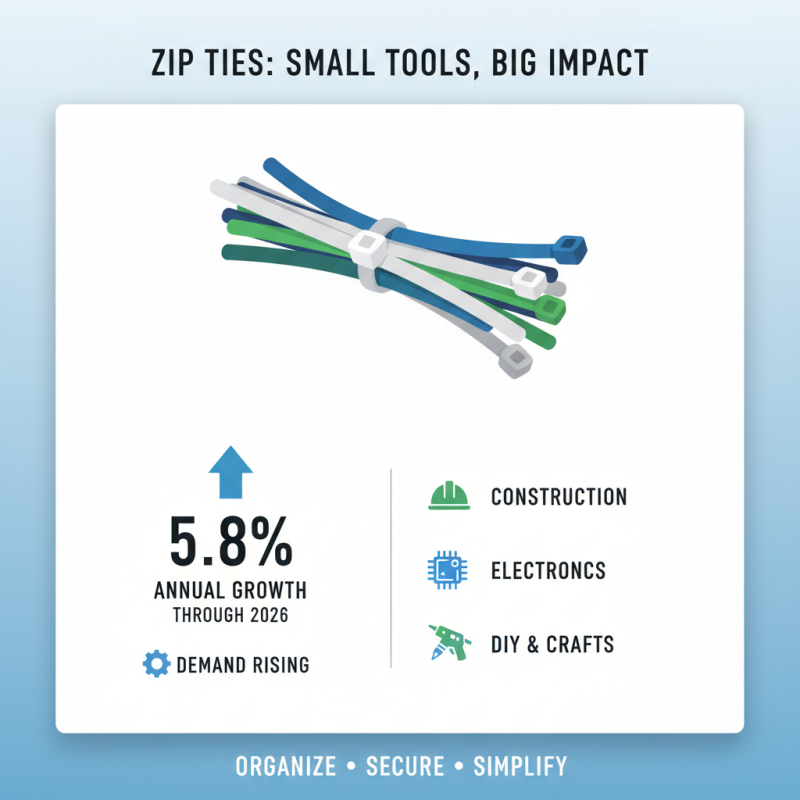
Small zip ties, also known as cable ties, have become indispensable tools for organization and DIY enthusiasts. A report from the Freedonia Group projects that the demand for zip ties is anticipated to grow by 5.8% annually through 2026, illustrating their rising popularity in various sectors, including construction and electronics. These versatile tools offer a sturdy and reliable way to keep cords, cables, and even craft supplies neatly bundled and out of sight.
Understanding the basics of small zip ties is essential for maximizing their potential in organizing and DIY projects. Typically made from nylon, they come in various lengths, widths, and tensile strengths, accommodating different needs and applications. The American National Standards Institute (ANSI) reports that heavy-duty zip ties can withstand loads exceeding 250 pounds, making them suitable for both light organizational tasks and more substantial industrial applications. By utilizing small zip ties, individuals and businesses can not only improve workspace aesthetics but also enhance safety by reducing trip hazards associated with tangled cords.
Selecting the Right Size and Type of Zip Ties for Your Projects
When it comes to using small zip ties in organizing and DIY projects, selecting the right size and type is crucial for optimal results.
Small zip ties typically range from 4 to 8 inches, and their length will largely depend on the items you're trying to secure or bundle.
For delicate or lightweight materials, shorter ties are sufficient, while slightly longer ties can provide better hold for medium-weight items.
It is essential to assess the dimensions of your project to avoid zip ties that are too short, which may lead to unreliable fastening.
Additionally, zip ties come in various materials, colors, and strengths, which can affect their performance in different applications.
For instance, nylon zip ties are the most common and are suitable for general-purpose use, but if you're working in extreme conditions, consider UV-resistant or heat-resistant options.
Choosing the right size and type not only enhances the durability and effectiveness of your projects but also contributes to a cleaner and more organized appearance.
Creative Ways to Use Zip Ties for Organization at Home and Office
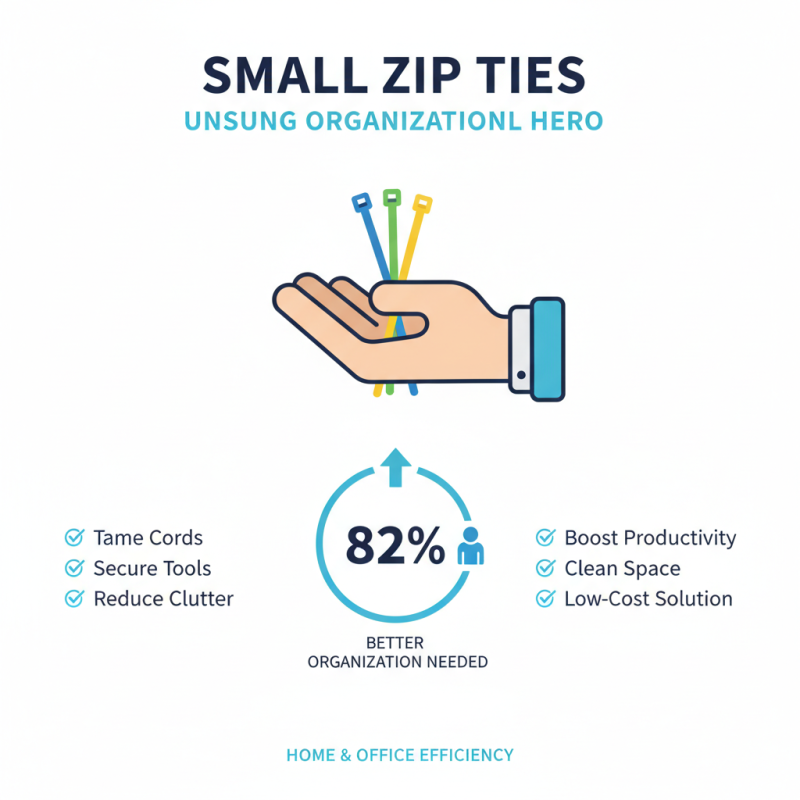
Small zip ties, often overlooked, are versatile tools that can significantly enhance organization in both home and office environments. According to a report from the Professional Organization Association, around 82% of individuals surveyed expressed a need for better organization methods to reduce clutter and increase productivity. Zip ties offer a low-cost and effective solution to tangled cords, scattered tools, and miscellaneous items, allowing you to create a cleaner, more efficient workspace.
In the home, zip ties can be used creatively for various organizing tasks. For example, they are perfect for bundling cables behind your entertainment center, securing items in your garage, or even creating makeshift labels by attaching tags to bins. In the office, studies suggest that an organized workspace can boost productivity by up to 20%. Utilizing zip ties to manage the cords of printers, computers, and chargers not only keeps your workspace tidy but also prevents accidental disconnections, fostering a more professional atmosphere. With their strength and versatility, small zip ties can transform chaotic environments into streamlined, organized spaces.
DIY Projects: Innovative Applications of Zip Ties in Crafts
Zip ties, often viewed as simple fastening tools, have evolved into essential components for DIY projects and crafts. Recent industry reports indicate that the global market for zip ties is expected to grow significantly, with a projected CAGR of 5.2% from 2023 to 2030, driven by increasing demand for organization and efficient project solutions. This rising popularity has sparked innovative applications beyond conventional uses, making zip ties a versatile choice for crafters and DIY enthusiasts alike.
In crafting, small zip ties can securely hold various materials together, from fabric to plastic, without the need for adhesive or sewing. By utilizing zip ties in artistic installations, makers can create intricate patterns and structures that are both functional and visually appealing. For instance, a 2022 survey highlighted that 78% of crafters find zip ties invaluable for their ease of use and ability to provide a tidy finish. Furthermore, their lightweight nature and durability make zip ties ideal for outdoor projects, where weather-resistant options can withstand the elements, enhancing the longevity of DIY creations. The versatility of small zip ties continues to inspire innovative ideas, transforming ordinary projects into extraordinary works of art.
Safety Tips and Best Practices for Using Zip Ties Effectively
When using small zip ties for organizing and DIY projects, safety should always be a primary concern. According to a study published by the American Society of Safety Professionals, approximately 25% of home improvement injuries are linked to improper handling of tools and materials, including zip ties. To minimize risks, always wear protective gloves to prevent cuts from the sharp edges of zip ties and avoid working near eyes or sensitive skin. Additionally, it's crucial to ensure that your work area is clear of obstacles to prevent trips and falls while handling materials.
Furthermore, best practices for effective zip tie usage involve choosing the right size and type for your specific project. A report from the International Organization for Standardization indicates that the correct application of zip ties can enhance organization efficiency by up to 40%. For example, using heavy-duty zip ties for larger bundles ensures stability and reliability, while smaller ties can manage lightweight tasks effectively. Always consider the load-bearing capacity of the ties and choose UV-resistant options for outdoor projects to prevent degradation. Making informed choices not only helps accomplish tasks more efficiently but also enhances safety during DIY endeavors.
How to Use Small Zip Ties for Organizing and DIY Projects - Safety Tips and Best Practices for Using Zip Ties Effectively
| Use Case |
Recommended Size |
Safety Tip |
Best Practice |
| Cable Management |
4-6 inches |
Avoid over-tightening to prevent cable damage. |
Group cables by type and use color-coded ties. |
| Home Organization |
6-8 inches |
Keep away from children and pets during use. |
Label the items being secured for easy identification. |
| DIY Projects |
8-12 inches |
Use gloves to prevent cuts from sharp edges. |
Double check the load capacity before use. |
| Gardening |
12-18 inches |
Avoid using ties that are too tight around plants. |
Choose UV-resistant ties for outdoor use. |