The Ultimate Guide to Large Cable Ties for Home and Industrial Use
In today's fast-paced world, the importance of efficient organization and secure bundling solutions cannot be overstated, particularly in both home and industrial settings.
Large cable ties have emerged as an essential tool for managing cables and other materials, providing a reliable method to streamline workflows and enhance safety.
According to a report by MarketsandMarkets, the global market for cable ties is projected to reach USD 2.4 billion by 2025, driven by rising demand across various industries including construction, automotive, and electronics. This significant growth underscores the value that large cable ties bring, not only in terms of functionality but also in the potential for reducing clutter and minimizing hazards.
As we explore the ultimate guide to large cable ties, we delve into their applications, advantages, and tips on choosing the best types to meet diverse needs effectively.
Types of Large Cable Ties for Different Applications
Large cable ties are essential tools in various settings, from home organization to industrial applications. They come in different materials and designs, depending on the specific requirements of the task at hand. When selecting large cable ties, it’s crucial to consider the application type, as this dictates the best fit for the job. For instance, metallic cable ties are often preferred for heavy-duty uses due to their strength and durability. In contrast, non-metallic options are frequently chosen for lighter applications or environments where corrosion resistance is important.
Different types of large cable ties can address various needs effectively. Single cable cleats are designed for straightforward bundling tasks, ideal for holding together multiple cables in a neat and organized manner. On the other hand, multiple cable cleats cater to more complex setups, offering the ability to secure several cables simultaneously without compromising accessibility. This diversity in types ensures that there is a suitable solution available for any project, enhancing both efficiency and safety in both home and industrial environments.
Material Options for Large Cable Ties: Pros and Cons
When selecting large cable ties for home and industrial use, it's essential to consider the material options available, as each comes with its own pros and cons.
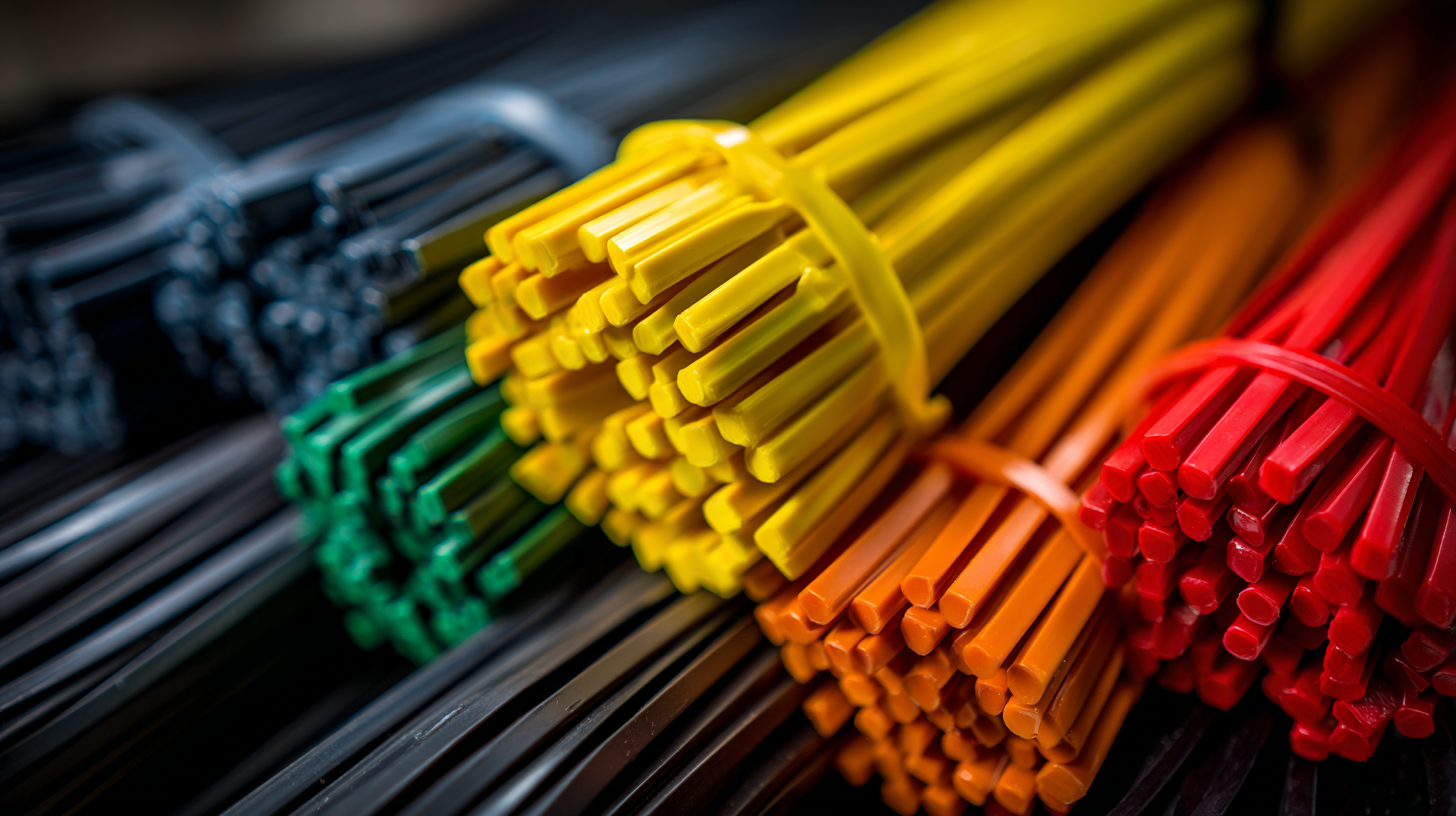
Nylon cable ties are popular for their strength and flexibility, making them ideal for various applications. However, they may not perform well in extreme temperatures or direct sunlight. On the other hand, metal cable ties offer exceptional durability and resistance to environmental factors, but they can be overkill for simple home projects and are often more expensive.
Tips: For indoor use, opt for nylon ties, but if you need something more robust for outdoor projects, consider metal options. Always check the temperature rating for the ties you choose to ensure they will perform well under your specific conditions. Additionally, for organization, look into cable management solutions that pair well with your ties to keep your workspace tidy and efficient.
Understanding Weight Capacity Ratings for Industrial Cable Ties
When selecting large cable ties for both home and industrial use, understanding weight capacity ratings is crucial. These ratings indicate the maximum load a cable tie can handle without breaking, which is essential for ensuring safety and reliability in various applications. Industrial cable ties are often subjected to harsher conditions and heavier loads compared to their residential counterparts, necessitating a clear comprehension of their specifications.
Weight capacity ratings are typically influenced by factors such as material composition, size, and design of the cable tie. For instance, nylon ties are commonly used in industrial settings due to their impressive tensile strength and resistance to environmental factors. When choosing a cable tie, it's important to match its weight capacity with the intended application to prevent failures that could lead to accidents or costly downtime. Always refer to manufacturer guidelines and testing standards to make informed decisions, ensuring that the chosen ties meet the performance requirements for your specific tasks.
The Ultimate Guide to Large Cable Ties Weight Capacity Ratings
This bar chart represents the weight capacity ratings of various types of large cable ties, showcasing their effectiveness for both home and industrial use. The capacities are measured in pounds, providing a clear comparison across different sizes and materials.
Innovative Features in Modern Large Cable Ties
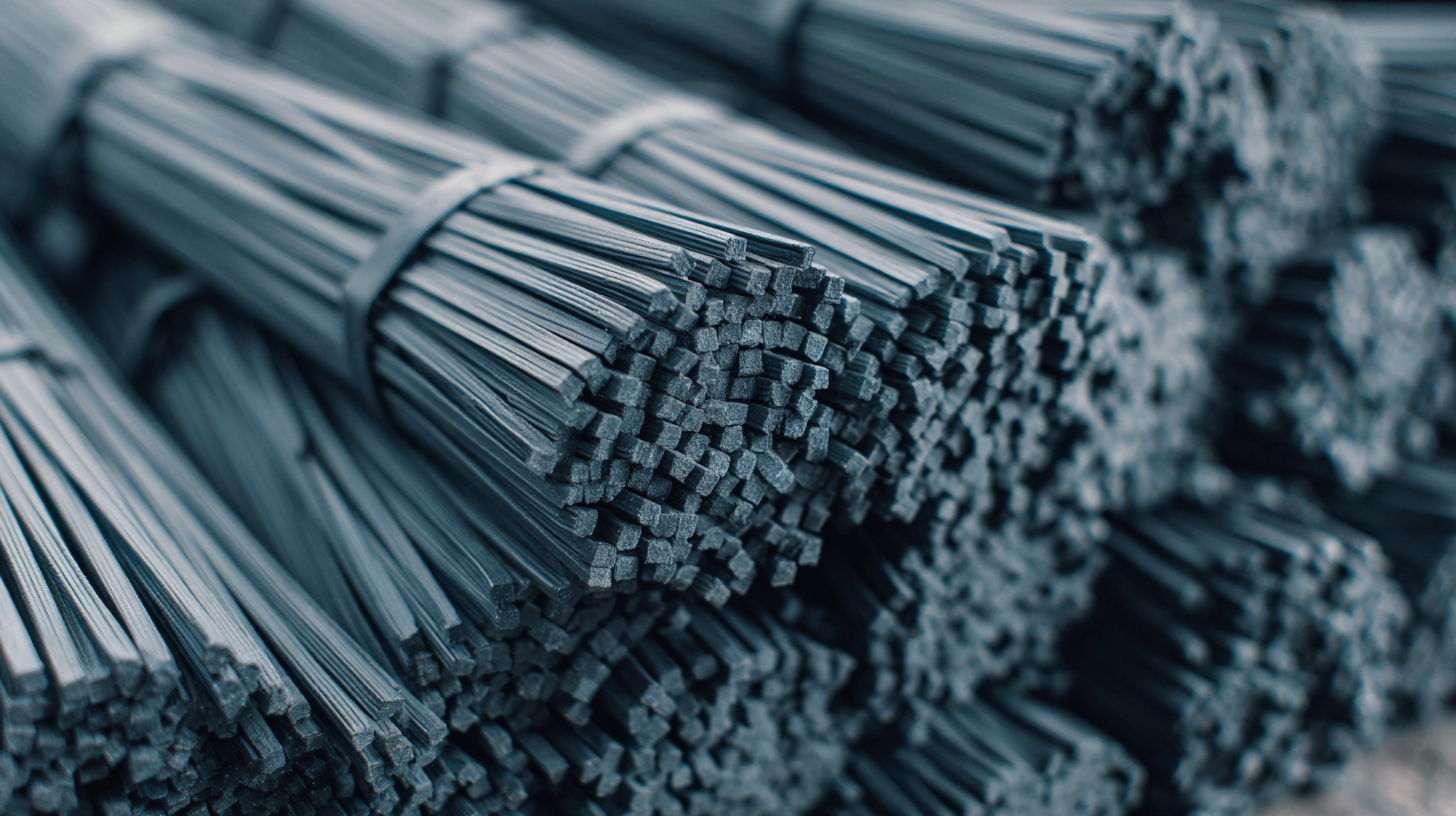 Large cable ties have become an essential tool in both home and industrial environments, thanks to their innovative features that enhance cable management. Modern designs often incorporate materials that offer greater durability and flexibility, allowing users to tie down a variety of cable sizes securely. Many of these ties now come with adjustable ratchets, ensuring a snug fit that can withstand various environmental conditions, making them ideal for both indoor and outdoor use.
Furthermore, features like UV resistance, which prevents deterioration from sunlight exposure, and various color options for easy identification and organization, reflect the evolution of large cable ties. These advancements not only improve functionality but also help in maintaining a neat and orderly space. As homes become equipped with an increasing number of electronic devices, investing in high-quality, innovative cable ties can significantly enhance the aesthetics and safety of any living or work area.
Comparative Analysis of Cable Tie Brands and Their Specialties
When it comes to selecting the right cable ties for both home and industrial use, understanding the specialties of different brands is essential. Major brands like Panduit, 3M, and TE Connectivity offer a variety of products designed for specific applications. According to a recent report from the Plastic Industry Association, the global cable tie market is projected to reach approximately $4 billion by 2025, showcasing the increasing demand for reliable cable management solutions. Each brand has distinct features; for example, Panduit is known for its heavy-duty ties suitable for harsh environments, while 3M focuses on adhesive-backed options ideal for quick installations.
Tips: When choosing cable ties, always consider the required tensile strength for your application. Heavy-duty cable ties can support loads up to 250 pounds, making them excellent for industrial settings. Additionally, pay attention to the material—nylon is popular for versatility and strength, whereas UV-resistant ties are vital for outdoor use.
Another key factor in your decision-making should be the length and width of the ties. Longer ties provide versatility for bundling larger items, while wider ties offer increased grip and support. According to the International Cable Tie Association, selecting the correct size is crucial; ties that are too short may lead to excess tension, compromising the integrity of your bundles. Keep these considerations in mind to ensure the effective organization of cables in any setting.