How to Source High Quality Coal Tar Pitch for Industrial Use?
Coal Tar Pitch is a critical raw material widely used in various industrial applications, particularly in aluminum production and electrodes manufacturing. According to industry reports by Research and Markets, the global coal tar pitch market is projected to reach USD 310 million by 2027, showing a steady growth rate due to its expanding applications. High-quality Coal Tar Pitch serves as a binder for carbon products, impacting the performance and durability of final outputs.
Finding reliable sources for high-quality Coal Tar Pitch can be challenging. The quality of the pitch directly influences the production processes and the eventual product characteristics. Variability in the chemical composition of tar pitch can lead to inefficiencies, which could affect overall production costs. It's vital to prioritize suppliers who meet stringent quality standards and provide transparency regarding their sourcing processes.
In this evolving market, knowledge of the supplier landscape is essential. Investors and manufacturers must seek partnerships that balance quality and cost. Understanding the nuances of Coal Tar Pitch and advocating for responsible sourcing practices will not only benefit individual enterprises but also contribute to sustainability in industrial sectors.
Understanding Coal Tar Pitch and Its Applications in Industry
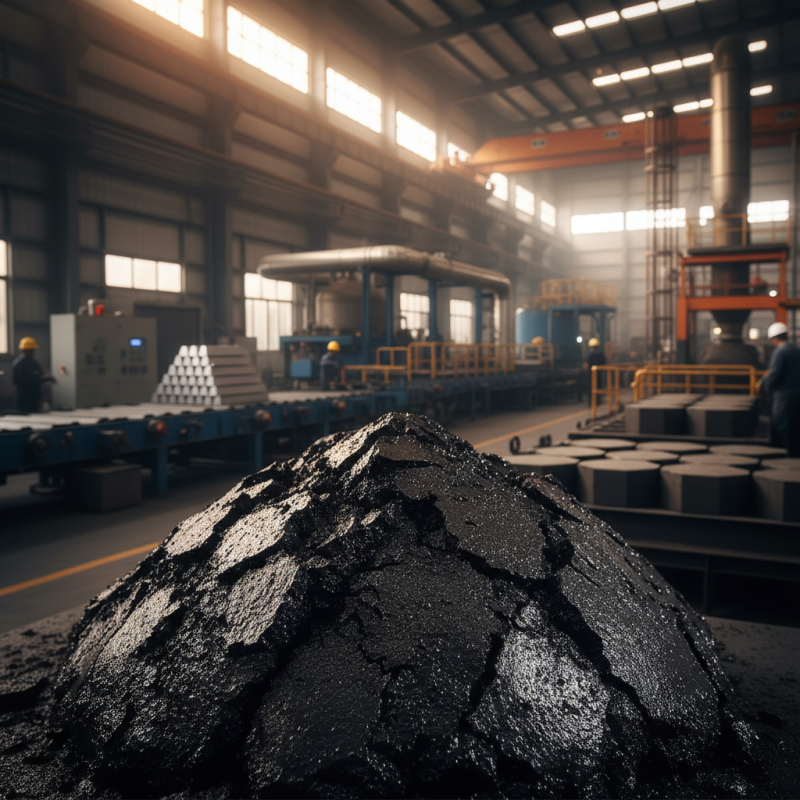
Coal tar pitch is a viscous black material derived from the carbonization of coal. It has multiple applications, particularly in the aluminum and carbon industries. According to a report by Research and Markets, the global coal tar pitch market is projected to grow at a CAGR of 4.6% from 2021 to 2026. This growth is driven by increasing demand for aluminum products and advancements in carbon products.
The applications of coal tar pitch are vast. It is essential in producing anodes for aluminum smelting and is crucial for manufacturing carbon fibers and graphite electrodes. These products are vital for various industries, including aerospace and automotive. A study by Grand View Research notes that aluminum production constitutes over 60% of coal tar pitch usage. Despite its significance, sourcing high-quality coal tar pitch remains challenging.
Quality varies significantly between suppliers. Impurities in coal tar pitch can lead to reduced performance in its applications. Prospective buyers should conduct rigorous tests to ensure the material meets industry standards. Improper sourcing can hinder production processes, leading to economic losses. Industry players must prioritize reliable suppliers and establish stringent quality controls to mitigate these risks.
Identifying Reliable Suppliers for High Quality Coal Tar Pitch
When sourcing high-quality coal tar pitch, identifying reliable suppliers is crucial. Suppliers should demonstrate a proven track record in the industry. The global market for coal tar pitch is projected to reach approximately USD 2.4 billion by 2026, with a CAGR of 4.2%. This growth highlights the increasing demand for quality materials in industries such as aluminum, chemicals, and coatings.
Assessing supplier certifications is essential. Look for compliance with ISO standards or other quality management system certifications. This may reflect a supplier’s commitment to product quality and consistency. A study noted that around 72% of manufacturers reported issues with delivering consistent quality, which emphasizes the importance of thorough supplier evaluations. Conducting site visits can also provide insights into production processes and quality control measures.
Engaging with industry networks can aid in supplier selection. This can help identify potential suppliers that others have successfully partnered with. Additionally, analyzing product specifications and seeking samples for testing can validate material quality. Yet, challenges exist in balancing cost and quality. Some suppliers may undercut prices, compromising the integrity of their products. It’s essential to strike a balance to ensure long-term partnerships.
Evaluating the Quality Indicators of Coal Tar Pitch
When sourcing high-quality coal tar pitch, understanding critical quality indicators is essential. The temperature at which the pitch softens, known as the softening point, is a vital measure. A higher softening point, often between 70-100°C, indicates a more thermally stable product. Reports from industry sources highlight that softening points below 70°C can lead to performance issues in various applications.
Another crucial factor is the content of polycyclic aromatic hydrocarbons (PAHs). High-quality coal tar pitch typically contains a balanced level of PAHs, essential for creating durability in industrial applications. It's essential to analyze the PAH composition, as excessive levels may affect the efficiency and safety of the end products. Recent studies show that superior pitches have a PAH content of around 20-30%, which can significantly enhance their functionality.
Additionally, impurities in coal tar pitch can compromise its quality. Common impurities include sulfur and carbon content. High levels of sulfur can lead to corrosion in metal applications. Industry assessments have shown that the optimal sulfur content should ideally remain below 2%. Regular quality assessments and detailed analyses of these indicators are essential for ensuring the performance reliability of coal tar pitch in industrial uses.
Sourcing Strategies for Cost-Effective Coal Tar Pitch
Sourcing high-quality coal tar pitch requires strategic planning to ensure cost-effectiveness. Research indicates that the global coal tar pitch market is expected to reach $18 billion by 2025, driven by demand in aluminum and carbon industries. To capitalize on this trend, identifying reliable suppliers is crucial. Potential sourcing strategies include attending industry conferences and consulting reports from market research agencies like Technavio or Grand View Research. This creates networking opportunities and allows for direct supplier evaluations.
It’s vital to consider the quality of coal tar pitch. Ensure that suppliers provide detailed product specifications and lab reports. A common challenge is the inconsistency in quality among suppliers. Conducting site visits can help assess production standards. Finding a balance between price and quality can be tricky. While lower prices can attract buyers, they may imply compromised quality. A comprehensive cost-analysis is advisable, weighing the long-term benefits against initial savings.
Understanding regional differences in coal tar pitch production is another key factor. For instance, Asia-Pacific shows rapid growth, but the regulatory environment can be complex. Sourcing from regions with stringent quality controls may mitigate risks associated with subpar materials. Furthermore, flexibility in sourcing—being open to both local and international suppliers—can enhance supply stability. This adaptability can be a game changer in maintaining a high-quality supply chain.
Ensuring Compliance with Industry Standards in Coal Tar Pitch Supply
When sourcing coal tar pitch for industrial use, compliance with industry standards is crucial. The International Agency for Research on Cancer (IARC) has classified coal tar and its derivatives as possible human carcinogens. This classification emphasizes the importance of ensuring that sourcing practices meet safety and quality standards.
Quality control measures should be implemented during the sourcing process. The American National Standards Institute (ANSI) outlines specific requirements for coal tar pitch purity and hazardous material handling. Reports indicate that a minimum purity level of 99% is advisable for most applications, particularly in aluminum production. Failure to adhere to these standards can result in severe operational risks and regulatory penalties.
Engaging with suppliers who have a robust track record in quality assurance is essential. Third-party certifications can provide additional confidence. However, potential risks remain. Some suppliers may provide materials that do not meet the expected criteria. Conducting regular audits and quality tests can help mitigate these issues. Keeping abreast of technological advancements and market changes is also necessary to maintain compliance.


