Ultimate Guide to Metal Zip Ties Benefits and Tips?
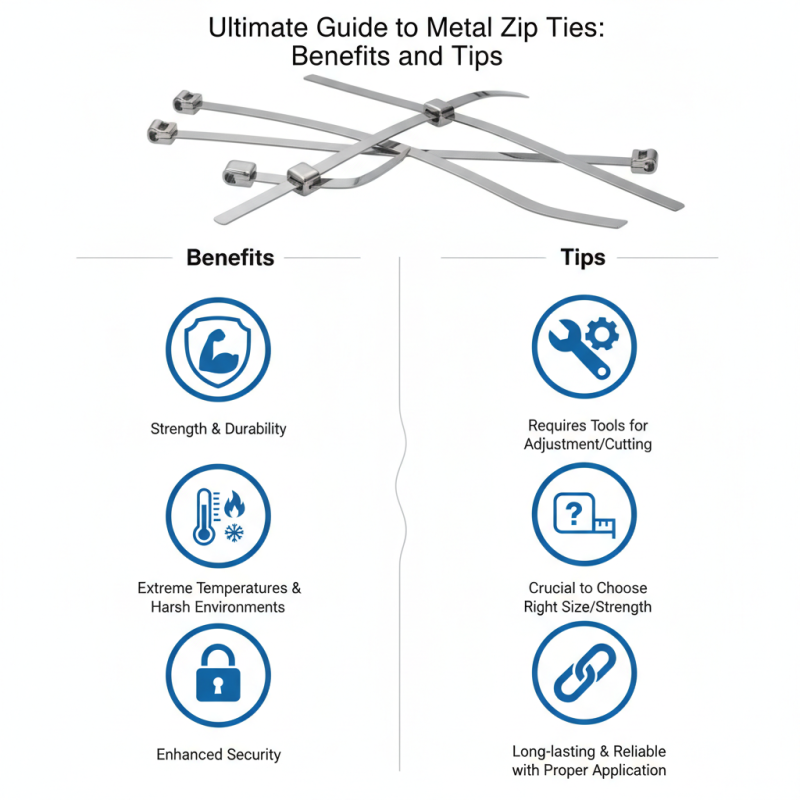
Metal zip ties are becoming increasingly popular for various applications. Their strength and durability set them apart from traditional plastic ties. Made from stainless steel, these ties offer a level of security that is hard to match. Metal zip ties can withstand extreme temperatures and harsh environments, making them ideal for both indoor and outdoor use.
Using metal zip ties, however, requires some consideration. They are not as easy to adjust or cut as plastic options. Once fastened, they stay in place, which can lead to challenges when needing to remove them. Ensuring you have the right size and strength is also crucial to avoid potential frustration later on.
Despite these limitations, the benefits of metal zip ties are significant. They provide reliable performance in demanding tasks, ensuring that your organizational needs are met. With proper application, they can last for years, proving to be a wise investment for anyone looking to secure items effectively. Understanding how to use them properly will enhance their usefulness.
Understanding Metal Zip Ties: What They Are and How They Work
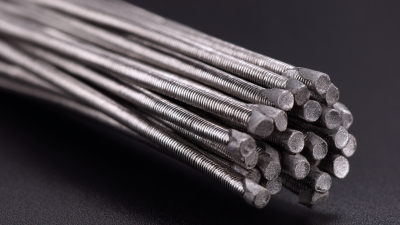
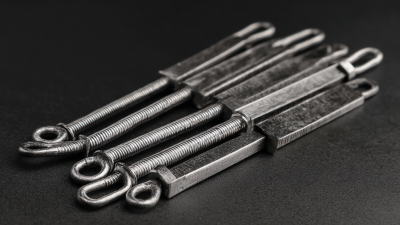
Metal zip ties are versatile fastening solutions widely used in various industries. They are made from durable materials like stainless steel. This construction makes them resistant to extreme temperatures, chemicals, and UV exposure. Unlike plastic zip ties, metal versions offer superior strength. They can securely hold heavier items and withstand outdoor conditions. This makes them ideal for construction sites and outdoor equipment.
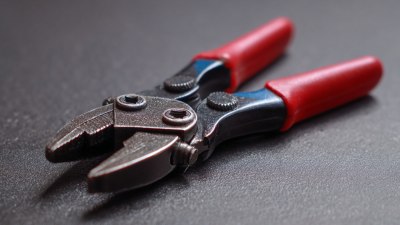
Using metal zip ties requires some know-how. They come in different sizes and strengths, allowing flexibility based on needs. However, they can be tricky during installation. If not tightened correctly, they may not hold securely. Users should wear gloves when handling to prevent injuries. When cutting metal zip ties, the ends can be sharp, posing a risk. Always be cautious during this process to avoid accidents.
In addition to basic uses, there are creative applications. Artists and designers often employ them for unique projects. They lend an industrial aesthetic to art installations. However, the aesthetic might not always align with every vision. Improvisation can lead to unforeseen issues, like uneven tension or misalignment. Experimentation is essential to discover the full potential of metal zip ties.
Key Benefits of Using Metal Zip Ties in Various Applications
Metal zip ties have gained popularity across various industries due to their robust nature. They are especially useful in environments where durability is critical. In aerospace, for example, metal zip ties help secure components in extreme conditions. According to industry reports, they can withstand temperatures ranging from -40°F to 250°F. This wide temperature tolerance is essential for safety and reliability.
Another notable benefit of metal zip ties is their resistance to corrosion. In marine applications, where exposure to saltwater is inevitable, these ties perform exceptionally well. A study highlighted that metal zip ties can endure harsh conditions up to five times longer than conventional plastic ties. Their strength and longevity justify their use over time, especially in critical installations.
However, some users face challenges with installation. Metal ties can be tougher to handle than plastic, requiring specific tools. Improper installation may lead to unintended hazards. It’s crucial to assess the application requirements carefully. Understanding both benefits and drawbacks can lead to better decision-making in choosing the right fastening solution for your needs.
Ultimate Guide to Metal Zip Ties Benefits and Tips
| Application |
Key Benefits |
Material Type |
Temperature Range (°F) |
Cost Efficiency |
| Electrical & Networking |
High strength and durability |
Stainless Steel |
-100 to 500 |
Long-term investment |
| Construction & Industrial |
Resistant to UV and harsh conditions |
Galvanized Steel |
-50 to 300 |
Cost-effective in bulk |
| Automotive |
Vibration resistant |
304 Stainless Steel |
-40 to 400 |
High durability |
| Home & Garden |
Versatile and reusable |
Aluminum |
-20 to 250 |
Affordable for multiple uses |
| Telecommunication |
Secures cables tightly |
Nickel-Plated Steel |
-60 to 250 |
Reliable investment |
Choosing the Right Type of Metal Zip Ties for Your Needs
When selecting metal zip ties, consider the environment where they will be used. Different materials offer various strengths, corrosion resistance, and heat tolerances. A stainless steel option may work well for outdoor conditions. If you need additional strength, look for reinforced ties. Check the specifications carefully before making a decision.
One tip is to think about the bundling size. Many people overlook this. Overestimating the size can lead to waste. Underestimating can cause issues later. Always measure your materials accurately before purchasing. Additionally, be aware of the tension capability of the ties. Too much tension can damage sensitive wires.
Think about the application as well. Are you using them for industrial purposes? Or for home organization? Each scenario may require different features. Some metal zip ties have locking mechanisms for added security. Others may be suitable for quick, temporary uses. Experiment with different types to see what works best. It’s okay to make choices and then rethink them. Learning through experience often leads to the best solutions.
Ultimate Guide to Metal Zip Ties Benefits and Tips
Tips for Proper Installation and Use of Metal Zip Ties
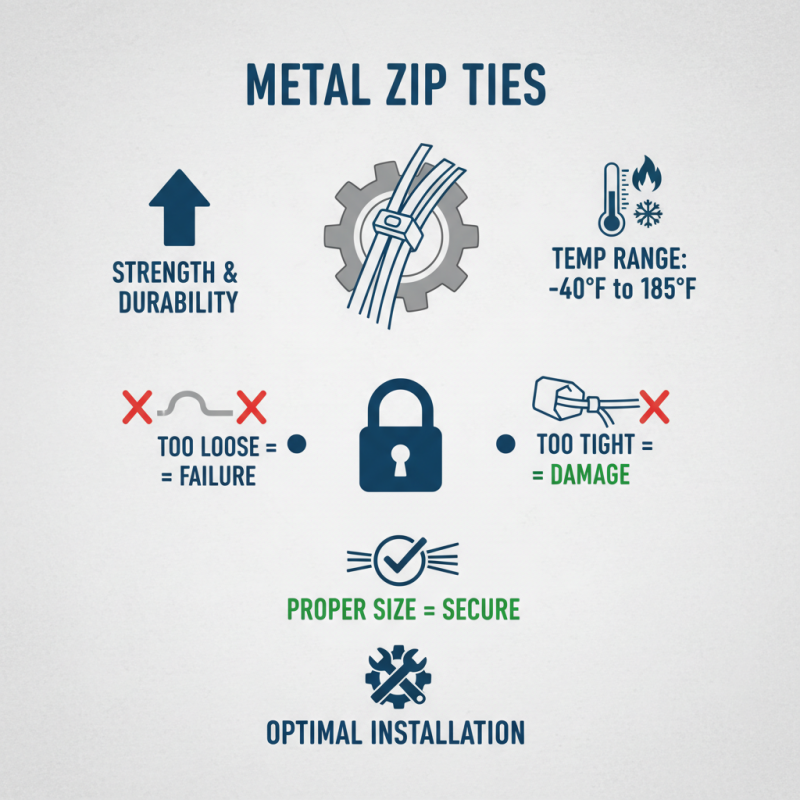
Metal zip ties are becoming increasingly popular in various industries for their strength and durability. Proper installation is key to maximizing their benefits. Research shows that these ties can withstand temperatures ranging from -40°F to 185°F, making them suitable for demanding environments. When installing, ensure that you choose the right size. Ties that are too loose can lead to failure, while those too tight may cause damage to the bundled items.
During installation, consider the material of the items you are fastening. Metal zip ties can grip securely, but using them on delicate items may lead to crushing. A 2019 industry report highlights that improper use can reduce efficiency by up to 15%. Pay attention to the installation method. Many overlook reading the manufacturer's guidelines. Following these instructions can significantly improve performance and longevity.
Always inspect the installed ties periodically. Over time, elements may affect their integrity. Corrosion or exposure to harsh environments can compromise the hold. Ignoring maintenance could lead to unexpected failures. Regular checks will help identify issues before they become problematic. Remember, even durable materials have limitations. Staying proactive can save time and resources in the long run.
Maintenance and Care for Longevity of Metal Zip Ties
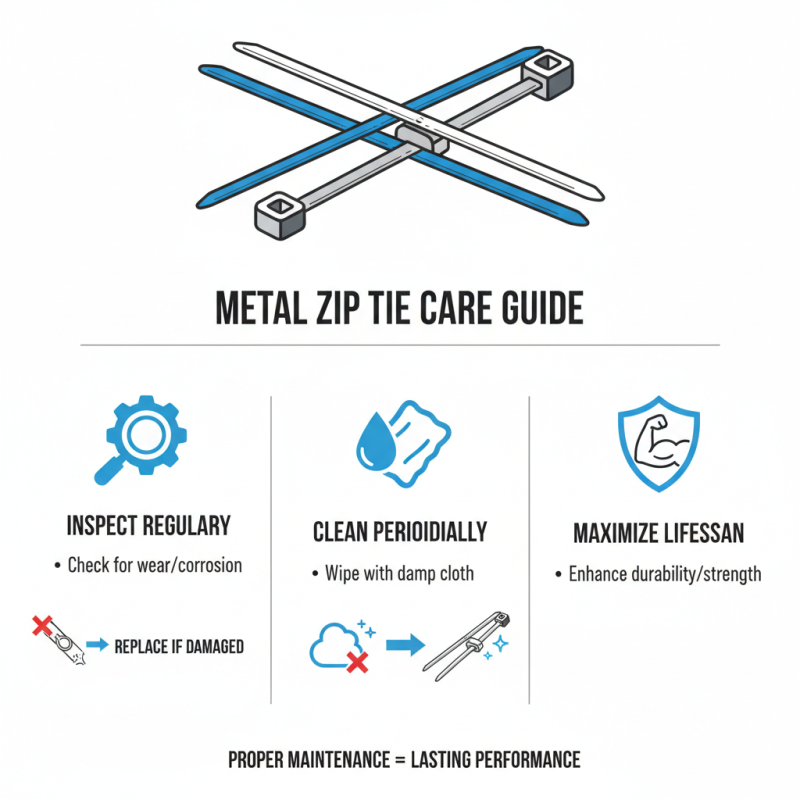
Metal zip ties are known for their durability and strength. To maximize their lifespan, proper maintenance and care are essential. Regularly inspect the ties for any signs of wear or corrosion. If you notice any damage, consider replacing them. Dust and debris can accumulate on the zip ties. Wipe them down with a damp cloth to keep them clean.
Storage is another crucial aspect. Avoid placing metal zip ties in areas prone to humidity. High moisture can lead to rust, compromising their effectiveness. Instead, keep them in a dry place. While metal zip ties are robust, they can sometimes be difficult to handle. Applying too much force can lead to breakage. Take care to use the right amount of pressure when securing items.
Flexibility is key when using metal zip ties. They can withstand harsh conditions, but proper installation is vital. Ensure you don’t overtighten them, as this can lead to unintentional damage. Observe how they react under different conditions and adjust accordingly. It’s a learning experience that can lead to better usage in the future.