2025 Guide: How to Choose the Best Bulk Zip Ties for Your Projects
In the landscape of industrial and DIY projects, the importance of selecting the right tools cannot be overstated, and bulk zip ties have emerged as an essential component across various applications. According to a recent market analysis by Research and Markets, the global zip tie market is expected to grow significantly, projected to reach $2.5 billion by 2025. This growth reflects not only the increasing adoption of zip ties in various sectors like construction, electronics, and upholstery but also highlights the demand for high-quality bulk zip ties that meet specific project needs.
Choosing the best bulk zip ties requires consideration of several factors, including material composition, tensile strength, and environmental resistance. For instance, nylon zip ties are favored for their durability and versatility in both indoor and outdoor settings. A report by the Specialty Tools and Fasteners Distributors Association emphasizes that projects utilizing heavy-duty zip ties can see enhanced efficiency and safety, ultimately translating to cost savings and improved project timelines. By understanding these crucial aspects, professionals and DIY enthusiasts can make informed decisions that will ensure the success of their projects.
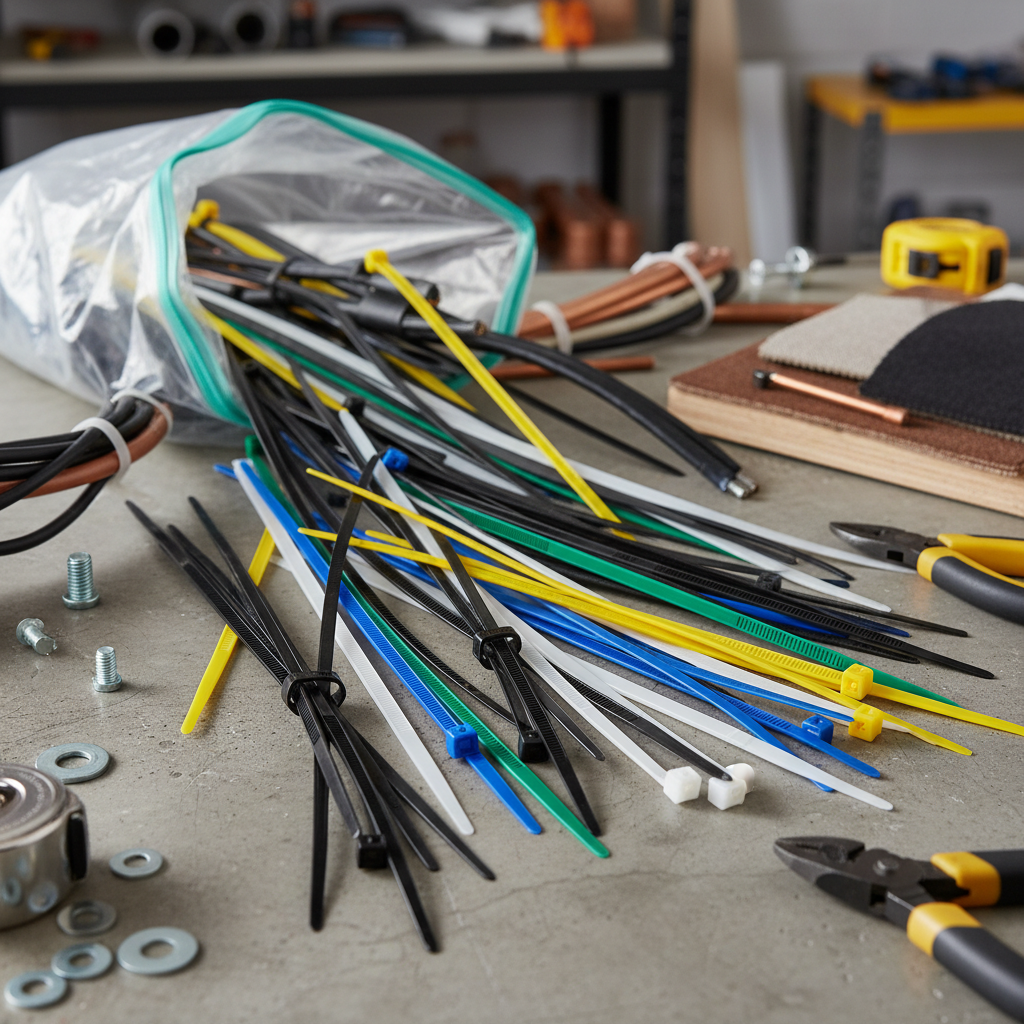
Understanding the Different Types of Bulk Zip Ties Available in 2025
When selecting bulk zip ties for your projects in 2025, it's crucial to understand the varying types available in the market. According to a recent industry report by IBISWorld, the global cable tie market is expected to reach $1.7 billion by 2025, underscoring the growing demand for reliable fastening solutions.
Bulk zip ties can generally be categorized into nylon, stainless steel, and UV-resistant materials, each serving unique purposes.
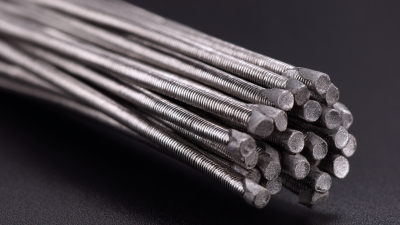
Nylon zip ties are the most common, favored for their versatility and strength—they can withstand temperatures ranging from -40°F to 185°F, making them suitable for both indoor and outdoor applications. Conversely, stainless steel zip ties offer superior durability and are ideal for heavy-duty requirements, often used in industrial environments.
For projects exposed to direct sunlight, UV-resistant zip ties provide the necessary longevity, featuring additives that prevent premature degradation. As you compare options, consider project requirements such as environmental exposure, load-bearing needs, and temperature ranges to select the best product for your specific applications.
Key Factors to Consider When Selecting Bulk Zip Ties for Your Project
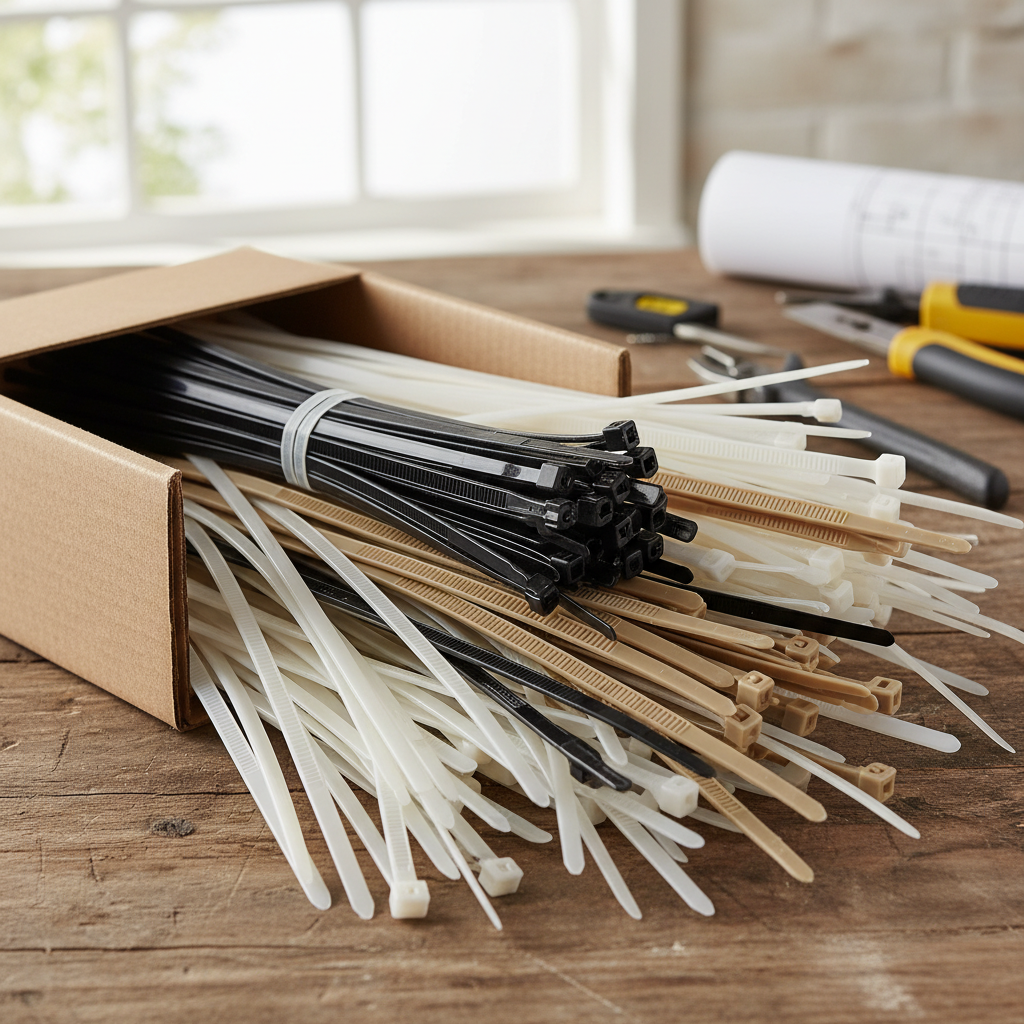
When selecting bulk zip ties for your projects, it's essential to consider several
key factors that can significantly impact their performance and suitability. First and
foremost, the material of the zip ties plays a crucial role. Most zip ties are made from nylon, which offers high
tensile strength and resistance to various environmental factors. According to industry reports, UV-resistant and
heavy-duty variants are essential for outdoor applications, as they ensure longevity
and reliability against degradation over time.
Another critical factor is the size and length of the zip ties. Zip ties come in various
sizes, and it's important to choose the appropriate length for your project needs. Studies indicate that using the
right size can enhance efficiency and safety, particularly in applications involving electrical wiring
and construction. Additionally, consider the fastening requirements—some projects may require releasable ties, while
others may need permanent solutions. Understanding the specific requirements of your project will guide you in selecting
the best bulk zip ties to maintain optimal performance.
Evaluating the Strength and Durability of Zip Ties for Various Applications
When selecting bulk zip ties for various projects, evaluating their strength and durability is crucial. Zip ties, also known as cable ties, are designed to hold items securely, and their performance can vary significantly depending on the materials used and their construction. High-quality zip ties typically utilize robust nylon materials that can withstand temperature fluctuations and environmental stressors, making them suitable for both indoor and outdoor applications.
Therefore, when sourcing zip ties in bulk, it is essential to check the tensile strength rating, which indicates the weight the ties can reliably support without breaking.
Additionally, consider the specific needs of your project when assessing the durability of zip ties. Different applications require varying levels of durability; for instance, heavy-duty zip ties are ideal for industrial environments that demand high load-bearing capabilities, while standard zip ties may suffice for light-duty tasks.
Furthermore, factors such as UV resistance and chemical exposure should be taken into account, especially for projects involving outdoor installations. By carefully evaluating these aspects, you can ensure that you choose the best bulk zip ties that will perform effectively and provide reliability over time.
How to Assess the Cost-Effectiveness of Bulk Zip Tie Purchases
When considering bulk zip tie purchases, assessing cost-effectiveness is key to maximizing your investment. First, evaluate the unit price of different brands and types of zip ties. While cheaper options might seem appealing, consider their durability and tensile strength. Higher quality ties might have a higher initial cost but can save you money in the long run by reducing the frequency of replacements.
Another important factor to consider is the intended use of the zip ties. For heavy-duty applications, investing in robust zip ties will be essential to ensure they withstand stress and environmental factors. On the other hand, for light-duty tasks, lighter and cheaper options may suffice. Additionally, look into bulk purchasing discounts; suppliers often provide significant savings when you commit to larger quantities. Overall, a thorough comparison of quality and pricing will help you make an informed choice that reflects both immediate and long-term needs.
2025 Guide: Cost-Effectiveness of Bulk Zip Tie Purchases
Sustainability and Eco-friendly Options for Bulk Zip Ties in 2025
In 2025, choosing bulk zip ties goes beyond functionality; it encompasses sustainability and eco-friendliness. As industries increasingly focus on reducing their environmental impact, opting for biodegradable or recyclable zip ties can significantly contribute to greener practices. According to a recent report by Smithers Pira, the global eco-friendly packaging market is expected to reach $415 billion by 2027, indicating a robust demand for sustainable materials, including zip ties.
 When selecting eco-friendly zip ties, look for products made from materials like bioplastics or recycled nylon. These alternatives often perform just as well as traditional plastic ties while minimizing the carbon footprint associated with production. Additionally, consider suppliers who employ sustainable manufacturing processes, as they can provide eco-conscious options that maintain high performance standards.
Tips: Always check for certifications like ASTM D6400 for compostability or ISO standards for recyclability to ensure the zip ties meet eco-friendly benchmarks. Also, consider the size and tensile strength required for your project; this ensures you don't sacrifice quality while prioritizing sustainability.