What is FRP Guarding and Why is it Important for Safety?
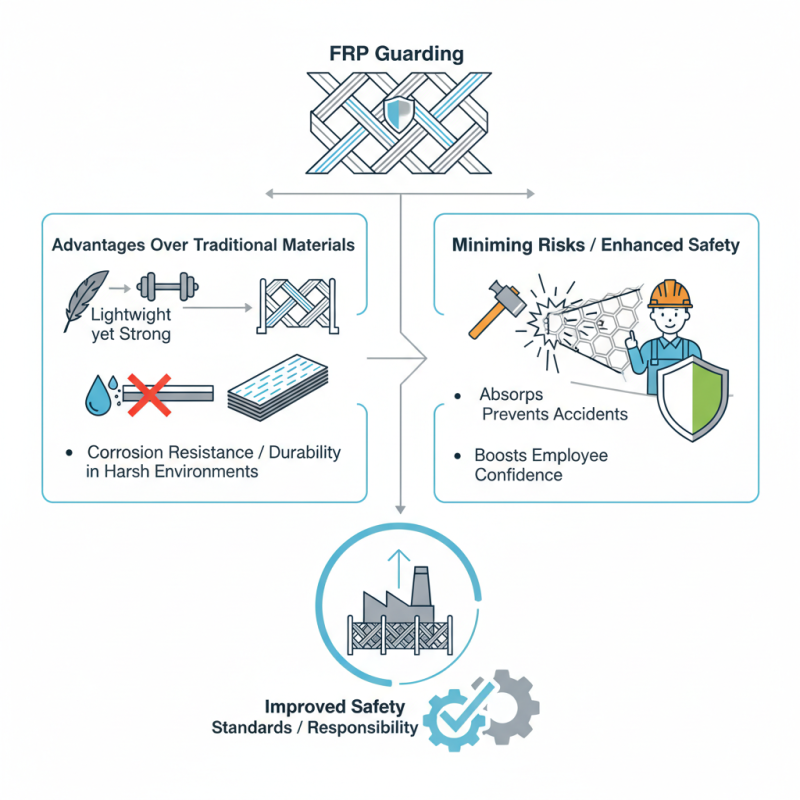
FRP guarding, or Fiber Reinforced Plastic guarding, has become increasingly important in various industries. This innovative safety solution offers significant advantages over traditional materials. Lightweight yet strong, FRP guarding protects workers and machinery without adding excessive weight. Its corrosion resistance makes it ideal for harsh environments, ensuring durability.
In workplaces where safety is paramount, FRP guarding minimizes risks. It can absorb impacts and prevent accidents, contributing to a safer work atmosphere. Implementing FRP guarding not only enhances physical safety but also boosts employee confidence. Workers can focus more on their tasks when they feel protected.
Despite its many benefits, organizations sometimes overlook FRP guarding. Awareness of its advantages can drive better safety practices. Investing in FRP guarding is not merely a choice; it’s a responsibility towards fostering a safer workplace. Understanding its significance can transform safety standards in any organization.
What is FRP Guarding: Definition and Overview
FRP guarding, or Fiber Reinforced Polymer guarding, is an essential safety feature in various industries. This material is known for its strength, lightweight properties, and resistance to corrosion. In environments where metal guards may fail, FRP guarding stands out as a reliable option. It is crucial in safeguarding machinery and worker safety.
Many industries, such as manufacturing and construction, utilize FRP guarding. This helps to prevent accidents caused by rotating machinery or hazardous materials. The durability of FRP allows it to withstand harsh conditions while providing critical protection. The effectiveness of this guarding can also enhance operational efficiency, as it requires less maintenance than traditional materials.
However, awareness of FRP guarding is not universal. Some may overlook its significance in safety protocols. Proper training and implementation are necessary to realize full safety benefits. Regular inspections of FRP guarding systems ensure they remain intact. Recognizing their importance can lead to improved safety measures in the workplace.
The Importance of FRP Guarding in Industrial Safety
FRP guarding plays a crucial role in industrial safety. It acts as a barrier to protect workers from hazards. These hazards can include machinery, sharp edges, and falling objects. Properly installed FRP guarding helps prevent injuries and promotes a safer work environment. It is lightweight yet strong, making it an ideal choice for many applications.
When implementing FRP guarding, consider these tips: ensure that the guards are well-maintained. Regular inspections can identify any wear or damage. This can prevent accidents before they happen. Always engage staff in safety training. Their awareness of the guarding's purpose can enhance overall workplace safety.
In some cases, gaps in guarding can still pose risks. Workers may overlook the importance of consistent safety measures. Continuous education about the features of FRP guarding helps maintain high safety standards. Always review the setup to ensure effectiveness. This reflection can lead to improved safety practices within the facility.
Importance of FRP Guarding in Industrial Safety
Key Benefits of Using FRP Guarding Materials
FRP (Fiberglass Reinforced Plastic) guarding materials offer several advantages in enhancing workplace safety. One of the most significant benefits is their lightweight nature. This makes installation easier and reduces the risk of injury during setup. Unlike heavier materials, FRP is less likely to cause accidents due to its manageable weight.
Another key benefit is corrosion resistance. FRP does not rust or corrode like metals. This durability ensures that safety barriers maintain their integrity over time, even in harsh environments. Environments that involve chemicals or extreme weather conditions can compromise other materials quickly. In contrast, FRP can withstand these challenges effectively.
Cost-effectiveness is also noteworthy. While the upfront investment might seem high, the longevity of FRP guarding leads to lower maintenance costs. It’s essential to consider the lifecycle of safety materials when making decisions. FRP may require more thoughtful planning regarding its installation. However, the long-term benefits often outweigh these initial complexities.
What is FRP Guarding and Why is it Important for Safety? - Key Benefits of Using FRP Guarding Materials
| Benefit | Description | Application Areas | Safety Impact |
| Corrosion Resistance | FRP materials are resistant to a wide range of chemicals, making them ideal for harsh environments. | Chemical plants, wastewater treatment facilities | Reduces risk of structural failure and injuries |
| Lightweight Design | FRP is much lighter than metals, allowing easier installation and transportation. | Construction sites, portable facilities | Minimizes the risk of injuries due to heavy lifting |
| Non-Conductive | FRP does not conduct electricity, making it safe for electrical applications. | Electrical substations, telecommunications | Reduces electrical hazard and enhances worker safety |
| Durability | FRP materials are tough and can withstand extreme weather conditions. | Outdoor installations, marine environments | Increases longevity of safety installations |
| Customization | FRP can be molded into various shapes and sizes for specific safety needs. | Manufacturing, specialized industrial applications | Ensures tailored safety solutions for unique risks |
Installation Best Practices for FRP Guarding Systems
FRP guarding systems are becoming essential for various industries due to their increased effectiveness in enhancing safety. Proper installation of these systems requires careful attention to detail. For example, ensuring that the guard is mounted on solid surfaces can significantly improve its performance. Studies show that ineffective installation compromises safety, leading to potential accidents and increased liability.
Consider spacing during installation. If guards are spaced too widely, they may not adequately protect individuals from hazards. Industry reports indicate that poorly installed guarding can increase accident rates by up to 30%. Using the right fasteners and adhering to weight limits are crucial. These factors contribute to the overall integrity of the system.
Regular inspections after installation are necessary. This practice ensures that the guarding remains effective over time. It may help to document any wear or damage to improve future installations. Builders should reflect on their previous installations and learn from any mistakes. Adjusting installation techniques based on feedback can lead to better safety outcomes. Overall, these details matter for maintaining a safe working environment.
Regulatory Standards and Compliance for FRP Guarding
FRP (Fiber Reinforced Plastic) guarding plays a crucial role in industrial safety. These barriers protect workers from hazards, such as moving machinery and sharp edges. Understanding regulatory standards ensures compliance and enhances safety. Various organizations outline these standards, such as OSHA and ANSI. They specify the design, installation, and maintenance of FRP guarding.
When implementing FRP guarding, regular inspections are essential. This helps identify wear and tear that might compromise safety. Consider documenting any maintenance performed to track potential issues over time. Workplaces should prioritize training employees on safety protocols related to FRP guarding. Knowledgeable staff can recognize hazards, report issues, and ensure a safer environment.
Tips: Always review safety guidelines regularly. This keeps your team informed. Engage workers in safety discussions and gather feedback on existing guarding systems. Such conversations can lead to improvements and create a culture of safety. Ultimately, investing time in training and compliance reduces risks and fosters a safer workplace.


