10 Essential Tips for Using Nylon Cable Ties Effectively in Your Projects?
Nylon cable ties are indispensable tools in various projects, from industrial applications to everyday tasks. Research indicates that the global market for nylon cable ties is expected to grow significantly, driven by their versatility and effectiveness in organizing cables and securing items. In fact, over 50% of engineers and technicians rely on these ties for efficient cable management, highlighting their importance in today’s work environments.
While these straps are handy, users should be aware of common pitfalls. Choosing the wrong size or strength can lead to project failures. Many users underestimate the weight limits, or over-tighten ties, causing damage. Studies show that improper use affects more than 30% of installations, stressing the need for knowledge and best practices.
Understanding the properties of nylon cable ties can boost your project’s success. Being mindful of temperature resistance, UV stability, and strength can optimize their effectiveness. With careful use, these simple tools can enhance organization and improve safety in any project.

Understanding the Basics of Nylon Cable Ties in Project Use
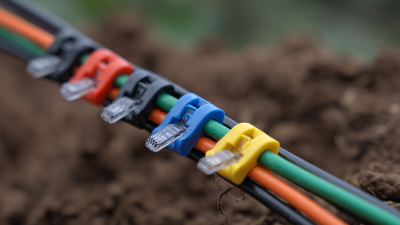
Nylon cable ties are versatile tools for organizing and securing items in various projects. Their strong and durable nature makes them suitable for both indoor and outdoor applications. The basic design features a simple locking mechanism, allowing for easy use. They come in different sizes, colors, and lengths, which adds to their functionality. Choosing the right type is crucial, as not all ties are created equal.
When using nylon cable ties, consider the weight of the items you need to secure. A tie that’s too weak can lead to failures, causing inconvenience. Additionally, be mindful of environmental conditions. Some ties may degrade under UV exposure. It’s also important to cut excess length properly; uneven ends can be a safety hazard. Looping cable ties too tightly can damage fragile components. It’s a balancing act that requires thought.
Experiencing frustration is common if the wrong tie is chosen. This can lead to wasted time and resources. Keeping a diverse range of nylon cable ties on hand can help mitigate this. There’s always a learning curve with any tool. Reflecting on past projects can highlight areas for improvement. Embracing these lessons makes future endeavors smoother.
Choosing the Right Size and Strength for Your Application
Choosing the right size and strength of nylon cable ties is crucial. Begin by assessing your project requirements. Consider the weight and bulkiness of the items you need to secure.
A cable tie that’s too small can break under pressure. One that’s too large may lead to loose connections.
Pay attention to the tensile strength ratings of the ties. They come in various strengths. For light tasks, standard ties often suffice. However, heavy-duty options are necessary for larger projects. Measure and test what you have before committing. Sometimes, what feels secure isn't enough.
Another factor is the environment. UV light and extreme temperatures can weaken ties. In outdoor settings, opt for UV-resistant options. The goal is to prevent future failures that could derail your project.
A few moments spent analyzing your needs can save frustration down the road.
Techniques for Properly Securing and Organizing Wires
When managing cables, organization is key. Properly securing wires can prevent tangles and potential hazards. Research indicates that over 30% of users experience issues due to poorly organized wiring. Using nylon cable ties can greatly improve this situation. Secure cables at regular intervals to ensure a neat arrangement. This reduces strain on the cables and minimizes damage.
Adjustable ties are particularly useful. They offer flexibility for different cable sizes. According to industry reports, 40% of professionals prefer adjustable ties for diverse projects. This allows for future adjustments without replacing the entire setup. Remember, leaving some slack can be beneficial. It provides room for cable expansion and prevents unnecessary tension.
However, be mindful of over-tightening. This can crush wires, leading to malfunctions. One study observed that 25% of cable failures were due to excessive pressure from ties. A balance is necessary. Regularly inspect your secured wires to ensure integrity. Organization might seem trivial, but it plays a significant role in project success. Evaluate your methods continuously for better results.
10 Essential Tips for Using Nylon Cable Ties Effectively in Your Projects
| Tip Number |
Tip Description |
Use Case |
Best Practices |
| 1 |
Choose the Right Size |
Organizing cables in a home theater setup |
Measure the diameter of bundles |
| 2 |
Avoid Over-Tightening |
Securing delicate wires |
Use a gentle hand when pulling |
| 3 |
Color Coding |
Identifying various circuits |
Select different colored ties for each circuit |
| 4 |
Use Multiple Ties |
Heavy-duty applications |
Distribute load across several ties |
| 5 |
Secure Loose Ends |
Finalizing installations |
Make sure no ends are left flapping |
| 6 |
Consider Environment |
Outdoor projects |
Use UV-resistant ties for outdoor use |
| 7 |
Cut Excess Length |
Creating a neat finish |
Use scissors or a cutting tool |
| 8 |
Labeling |
Identification of critical wires |
Use labels or write on the ties directly |
| 9 |
Avoid Heat Sources |
Running wires near engines |
Use heat-resistant cable ties |
| 10 |
Regular Inspection |
Maintenance of installations |
Check for wear and replace as needed |
Creative Uses of Nylon Cable Ties Beyond Wiring Projects
Nylon cable ties are versatile tools that go beyond just wiring projects. You can transform your space with a little creativity. Use them for organizing kitchen utensils. Simply bundle similar items together. This makes finding what you need quick and easy. Plus, it looks tidy.
Consider using nylon ties in your garden. They can support plants that need extra help. As your plants grow, adjust the ties to provide better support. This method works well for tomatoes or climbing beans.
When it comes to managing cables, consider these tips. Always use the correct length for your ties. Too long can mean excess, and too short isn’t secure. Ensure they are not too tight. You could damage the items you're securing, especially delicate wires. Lastly, remember that they are not reusable. Once you cut them, they are gone. Reflect on your needs before securing anything permanently.
Creative Uses of Nylon Cable Ties in Various Projects
Best Practices for Disposing and Recycling Nylon Cable Ties
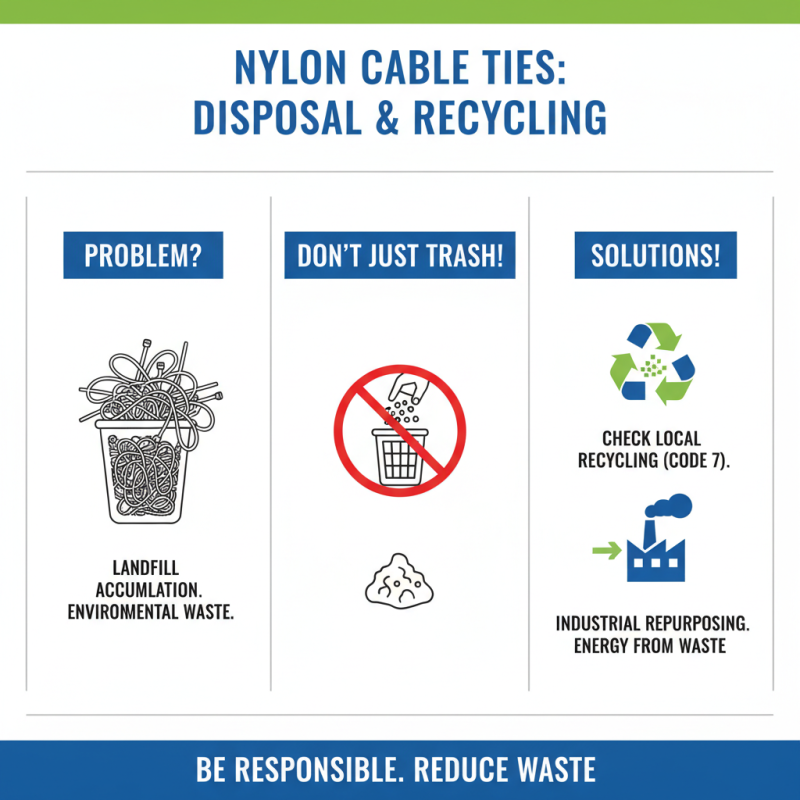
When working with nylon cable ties, it’s vital to consider their disposal and recycling. These ties are durable and versatile, but they can contribute to environmental waste when not discarded properly. Many people toss them in the trash without a second thought. This leads to accumulation in landfills.
One of the best practices for disposal is to check local recycling guidelines. Some areas have specific programs for recycling nylon products. If recycling is not an option, it’s best to cut them into smaller pieces. This practice can reduce potential harm to wildlife. Ensure you're not just throwing them in the bin as is.
Consider reusing nylon cable ties when possible. They are often sturdy enough for multiple uses. For example, instead of discarding them after a project, store them for future needs. This approach not only saves resources but also encourages a more sustainable mindset. Embracing this habit can make a significant difference in reducing plastic waste.