


How to Choose the Best Metal Cable Ties in 2026?
Choosing the best metal cable ties in 2026 requires more than comparing prices or package sizes. A tie that looks strong may fail under heat, vibration, moisture, or sharp-edged hardware. This guide examines material grades, tensile strength, locking designs, temperature ratings, and installation methods. It also considers traceable manufacturing data and realistic field conditions.
In practical installations, stainless steel ties often secure cables around engine bays, outdoor panels, and industrial frames. Their resistance to corrosion can matter more than their advertised breaking load. A narrow tie may fit tight spaces, yet it can cut insulation when over-tightened. A wider model spreads pressure more evenly. Small details matter.
Real testing should include hand tension, tool consistency, and exposure to the intended environment. Check whether the supplier provides verified specifications, batch information, and clear usage limits. Independent test reports can strengthen confidence, but they do not replace site-specific judgment. Standards and product requirements may also differ by industry and region.
There is no universal winner.
A common mistake is choosing the strongest option for every project. Extra strength can increase cost, installation difficulty, or cable damage. I have also seen product descriptions appear convincing while omitting important temperature or corrosion details. That gap deserves attention. This 2026 guide helps buyers compare evidence, not just marketing language, and select metal cable ties that remain secure, practical, and dependable throughout their service life.
Understanding Metal Cable Tie Types and Their Core Features
How to Choose the Best Metal Cable Ties in 2026?
Understanding Metal Cable Tie Types and Their Core Features
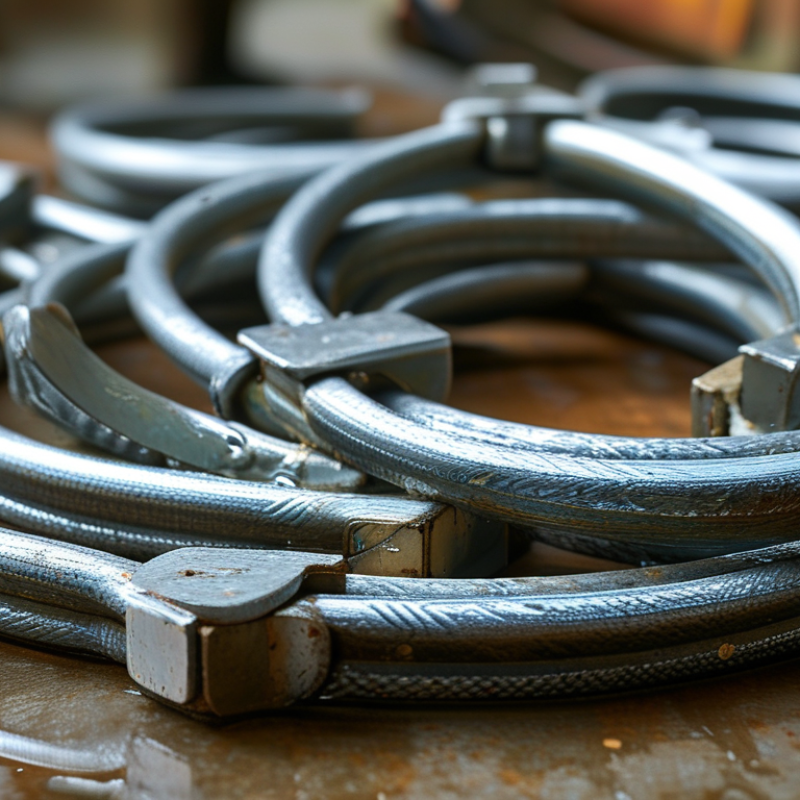
Metal cable ties differ in structure, locking design, and environmental resistance. Ball-lock ties use a small stainless-steel ball to secure bundled cables. Ladder-style ties offer adjustable positioning and easier removal during maintenance. Self-locking designs install quickly, which matters when technicians work above ceilings or inside crowded control cabinets.
Material selection depends on exposure. Grade 304 stainless steel suits indoor areas and ordinary outdoor conditions. Grade 316 provides stronger resistance near salt spray, moisture, and chemical vapors. Some ties include a protective coating, but coatings can scratch during installation. That detail is easy to overlook.
Check the tie’s width, thickness, tensile rating, and temperature range before purchase. A narrow tie may fail under vibration, even when its length seems adequate. Rounded edges reduce hand injuries and protect cable jackets. I also examine the locking head for smooth feeding and firm retention. Poorly finished locks can waste time. They may also hide inconsistent production quality.
Field experience suggests using the manufacturer’s recommended tensioning tool, not pliers. Excessive tension can crush insulation or weaken the tie. Before specifying a large quantity, test samples under realistic heat, movement, and moisture. Request material certificates, load-test data, and batch traceability when reliability matters. I once focused only on tensile strength and missed installation access. That was a practical mistake. The strongest tie is not always the most suitable one.
How to Choose the Best Metal Cable Ties in 2026? - Understanding Metal Cable Tie Types and Their Core Features
| Metal Cable Tie Type | Typical Material | Common Widths | Typical Lengths | Locking Mechanism | Typical Temperature Range | Key Strengths | Best-Fit Applications |
|---|---|---|---|---|---|---|---|
| Uncoated Ball-Lock Tie | 304 stainless steel; 316 stainless steel for higher corrosion resistance | 4.6–7.9 mm | 100–1,000 mm | Stainless-steel ball captured in a locking head | Approximately −80°C to 538°C, depending on grade and design | High heat resistance, non-combustible, strong vibration performance | Industrial equipment, power systems, exhaust areas, outdoor installations |
| Coated Ball-Lock Tie | Stainless steel with PVC, polyester, or fluoropolymer coating | 4.6–7.9 mm | 100–1,000 mm | Ball-lock head with a protective polymer jacket | Typically about −40°C to 150°C; coating specification controls the limit | Reduced abrasion, improved handling safety, electrical separation from the band | Cable harnesses, painted surfaces, vibration-sensitive assemblies, marine environments |
| Ladder-Style Tie | 304 or 316 stainless steel | 6.0–12.0 mm | 150–1,000 mm | Perforated or stepped band engaging with a locking head | Approximately −80°C to 538°C, depending on material and lock design | Consistent engagement, strong positive locking, easy size selection | Large cable bundles, pipe insulation, heavy-duty industrial routing |
| Wing-Seal or Wing-Lock Tie | 304 or 316 stainless steel | 4.6–7.9 mm | 100–900 mm | Wing-shaped locking head that increases resistance to loosening | Generally suitable for high-temperature environments; verify the product rating | Good vibration resistance and secure retention on irregular bundles | Automotive systems, rail equipment, machinery, and high-vibration assemblies |
| Releasable Metal Tie | Stainless steel with a reusable release feature | 4.6–7.9 mm | 150–600 mm | Manual release tab, screw mechanism, or reusable locking head | Usually lower than an equivalent permanent tie; confirm the release-component rating | Allows inspection, maintenance, and cable additions without cutting the tie | Temporary installations, test equipment, maintenance areas, and service loops |
| Heavy-Duty Metal Tie | Thicker 304 or 316 stainless steel | 7.9–12.0 mm | 300–1,500 mm | Heavy-duty ball-lock, ladder-lock, or multi-lock head | Approximately −80°C to 538°C, subject to the complete assembly rating | Greater bundle capacity, higher tensile performance, and robust mechanical retention | Heavy cables, hoses, industrial pipework, energy infrastructure, and construction equipment |
Related Posts
-
15 Essential Tips for Using Stainless Cable Ties Effectively
-
How to Choose the Right Black Cable Ties?
-
Explore the Best Stainless Zip Ties for 2025: Top Picks & Benefits
-
China Top Stainless Steel Zip Ties for Global Buyers?
-
What Are the Benefits of Using Long Cable Ties?
-
2026 Best Stainless Steel Zip Ties for Ultimate Strength and Durability?
