How to Choose the Best Rail Clamping Tools for Your Needs?
Choosing the right Rail Clamping Tools can significantly impact your project efficiency. Whether you are a professional or a DIY enthusiast, selecting high-quality tools is crucial. Rail clamping tools are essential in various tasks, from construction to repairs. They help secure rails firmly, enhancing safety and stability during operations.
Different projects require different tools. Merely choosing the most popular tool may not meet your specific needs. Consider the type of rail material and the required clamping pressure. Each project can have unique challenges. Some tools might excel in certain situations but fail in others. Reflecting on past experiences can guide your decisions.
The market offers many options. It is vital to research and compare features before purchasing. Prioritize tools that come from reputable brands. Read user reviews to gauge reliability. An informed choice leads to successful outcomes. Don't rush this decision; the right rail clamping tools can streamline your work and save time. Consider your needs carefully before making a choice.
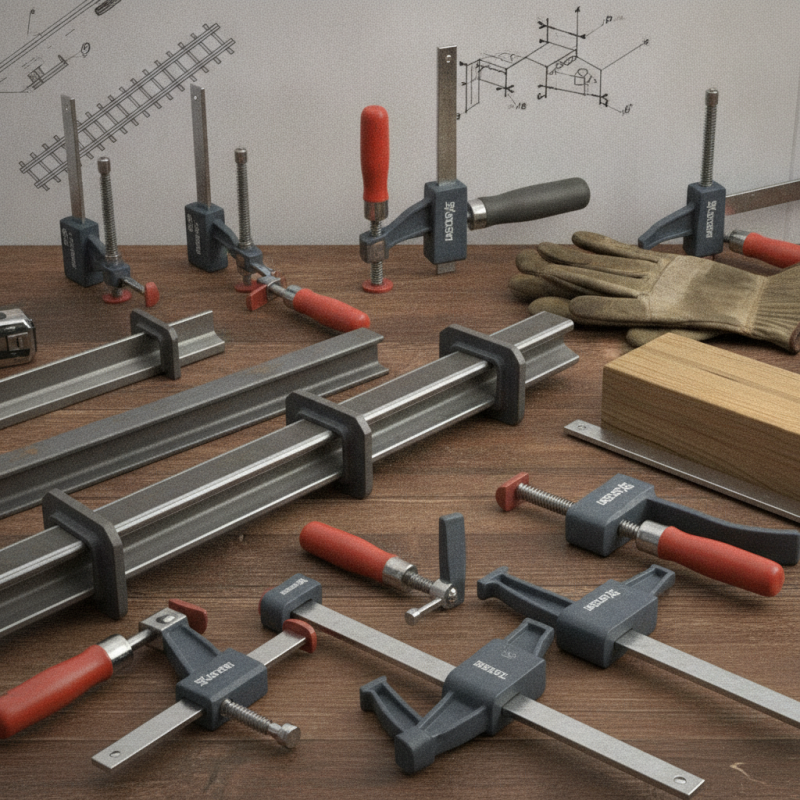
Understanding Rail Clamping Tools: Types and Specifications
When selecting rail clamping tools, understanding the types and specifications is crucial. Rail clamping tools are essential for maintaining precision in railway construction and maintenance. These tools can be broadly categorized into mechanical clamps, pneumatic clamps, and hydraulic clamps. Each type serves distinct purposes and has unique specifications. For instance, hydraulic clamps offer significant force and are ideal for heavy-duty applications.
According to industry research, the global rail maintenance market is projected to grow exponentially, emphasizing the need for effective clamping tools. Mechanical clamps dominate the market due to their cost-effectiveness. However, their force limits may restrict usage in demanding environments. Pneumatic clamps provide a quicker engagement, which is beneficial for projects with tight timelines yet may require a reliable air source.
Tips: Always assess the weight and strain your projects are likely to encounter. Choose tools that balance strength with ease of use. Operational reliability is essential—consider tools that support flexible adjustments. Ensure that the specifications match the operational context; otherwise, inefficiencies can arise. Remember, not every tool suits every project. Seek advice from experienced professionals to make well-informed decisions.
Evaluating the Key Features of Rail Clamping Tools
When selecting rail clamping tools, it's crucial to evaluate their key features. The right tools can enhance the efficiency and safety of your operations. According to recent industry reports, over 70% of professionals prioritize grip strength and material durability when making their choices. These factors directly influence the tool's ability to withstand high-pressure environments.
Investigating the design is essential too. Many tools feature adjustable clamps that can accommodate various rail sizes. Such versatility is beneficial, especially in projects with different specifications. A tool with ergonomic design can significantly reduce user fatigue. Reports indicate that tools designed for comfort can improve productivity by up to 15%.
Don't overlook the importance of compatibility. Ensuring that clamping tools work well with your existing equipment can save time and reduce costs. Some tools may seem appealing but may not fit seamlessly with your operational needs. It's wise to seek detailed specifications and user testimonials while assessing these tools. Gathering insights can help make informed choices and avoid costly mistakes.
Industry Standards: Safety and Performance Requirements for Clamping Tools
When choosing rail clamping tools, understanding safety and performance standards is crucial. Industry standards ensure that tools conform to specific safety measures. These standards include factors like material strength, durability, and ergonomic design. Reliable clamping tools should withstand high stress and provide consistent performance under varying conditions.
Testing and certification by recognized bodies add credibility to these tools. Look for tools that have passed rigorous testing protocols. Pay attention to user feedback and the experiences of other professionals in the field. It can help identify potential shortcomings and areas for improvement in specific products. Not all clamping tools will meet every user’s needs.
Choosing a tool based solely on its specifications can be misleading. Performance can vary significantly in real-world applications. Regularly review the tools you use. Reflect on their reliability and safety during operations. A tool that works today may not be ideal tomorrow. Making informed decisions enhances not only productivity but also safety on the job.
Rail Clamping Tools Performance and Safety Standards Comparison
Comparative Analysis of Leading Brands in Rail Clamping Technology
When selecting rail clamping tools, a comparative analysis of leading brands can be invaluable. Each brand brings unique features and technology. Understanding these can ensure you choose the right tool for your specific needs. Pay close attention to the design and ergonomics of each tool. Comfort during use can significantly impact efficiency, especially during extended periods.
Tips: Always consider the weight of the tool. A lighter option is often easier to handle. Check user reviews for practical insights, as they frequently highlight key benefits and drawbacks. Look at the materials used in construction; durability can be a decisive factor in long-term performance.
In a fast-evolving industry, staying informed about the latest advancements is essential. Newer technologies often offer enhanced precision and ease of use. Reflecting on your own experience and needs can also guide you effectively. Always evaluate whether the tool meets current safety standards—it’s crucial not to overlook safety features. Each choice involves a trade-off; assessing your priorities can lead to better decision-making.
Cost-Benefit Evaluation: Investing in Quality Rail Clamping Tools
When investing in rail clamping tools, it's essential to evaluate the cost versus the benefits. High-quality tools might have a higher initial price, but their longevity and effectiveness in securing rails can save you money in the long run. Cheap options can wear out quickly, leading to frequent replacements. Consider the type of projects you work on and the frequency of use to determine your needs.
Tips: Always read user reviews to gauge the reliability of the tools. Look for recommendations from professionals who use these tools in their daily tasks. This can provide valuable insights into which products offer the best performance.
Choosing the right rail clamping tools also involves considering their ease of use. Tools should be comfortable to handle and intuitive, reducing the chance of errors during installation. Conversely, complicated devices may cause frustration and delayed work. Remember that investing in higher-quality tools tends to pay off as they typically offer better precision and safety.
Tips: Invest time in maintaining your tools. Regular cleaning and proper storage prolong their lifespan. Take advantage of tutorials or guides to better understand their functionality. This can drastically improve your overall efficiency and effectiveness.


