How to Use a Cable Tie Gun for Efficient Bundling?
When it comes to efficient bundling, the cable tie gun is an essential tool. Jane Baker, an expert in the cable management industry, once said, "The right tool transforms a tedious job into a breeze." This statement highlights the power of using the cable tie gun effectively.
Using a cable tie gun can drastically improve workflow. It allows for quick and precise tensioning of cable ties. Imagine bundling wires or hoses without struggle. With this tool, users can achieve a professional finish in seconds. However, not everyone utilizes it correctly. Many overlook the importance of adjusting tension levels. This oversight can lead to damage or ineffective bundling.
Moreover, the learning curve exists. New users might feel overwhelmed by its mechanism. A bit of practice and patience is key. Experimenting with various tie types can lead to better results. Understanding the tool's capabilities ultimately enhances efficiency and productivity. The cable tie gun is more than just a tool; it represents a commitment to getting the bundling job right. Embracing this tool can truly revolutionize your work process.
Understanding the Basics of Cable Tie Guns and Their Uses
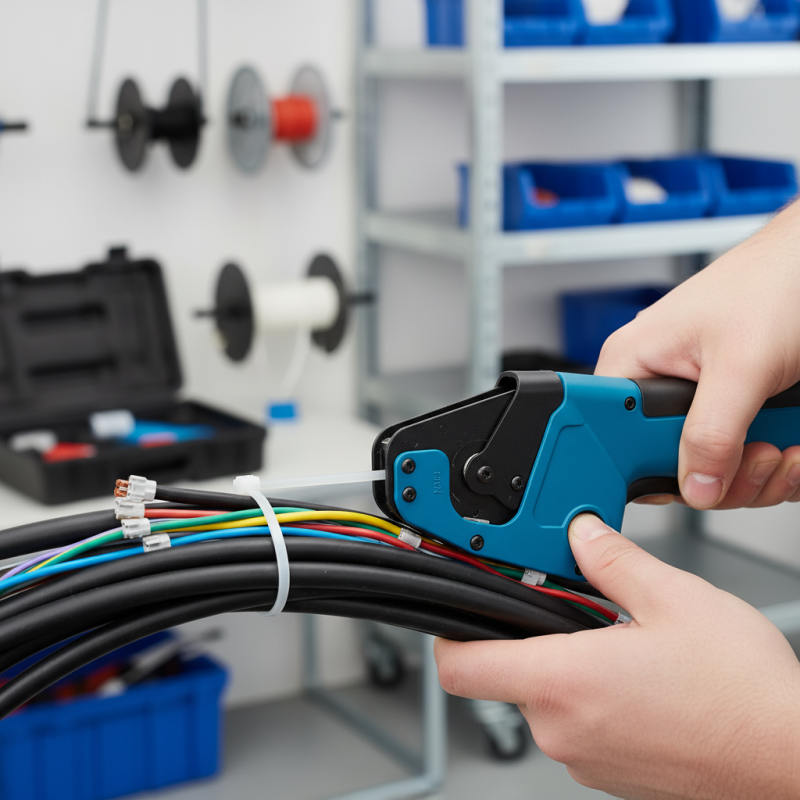
A cable tie gun is a handy tool designed to make bundling quick and efficient. It operates using a mechanism that tightens cable ties securely around objects. Understanding how it works is essential to maximize its benefits. These tools are often used in electrical work, organizing cables, or securing items together. Proper usage can prevent damage to the cables or the items being bundled.
When using a cable tie gun, positioning is crucial. Ensure the cable tie is placed correctly before tightening. A slight misalignment might lead to an ineffective hold or even damage the tie. Working carefully can make a significant difference in the outcome. Some beginners may struggle with the tension settings, resulting in ties that are either too loose or too tight.
Practice can improve your technique and confidence. Initially, you may find it challenging to maintain even pressure. This can lead to frustration and wasted ties. However, with time, you will learn to apply the right amount of force. Keep in mind that every task may require different tension settings. Paying attention to these details is key to mastering the use of a cable tie gun.
Usage Comparison of Cable Tie Guns for Bundling Tasks
This bar chart shows the efficiency of different types of cable tie guns in various bundling tasks based on user feedback. The data indicates the time taken in seconds to complete a specific number of bundles using different models.
Selecting the Right Cable Tie Gun for Your Bundling Needs
When selecting the right cable tie gun, consider the type of jobs you'll tackle. Different tasks require various features. For instance, if you often bundle delicate cables, a gun with adjustable tension is crucial. This talent prevents damage.
Evaluate the size of cable ties you use most. Some guns are versatile, handling multiple sizes. Others are specific. Familiarize yourself with the tension mechanisms. A firm grip provides better control. However, it can be tricky to master at first. Practice on scrap materials before diving into serious projects.
Examine comfort and ergonomics as well. A heavier gun might feel robust but can cause fatigue. Lighter models may not have the same durability. Reflect on your usage patterns. Will it be for long hours? Choose wisely. Your hands should work, not struggle.
Step-by-Step Guide to Using a Cable Tie Gun Effectively
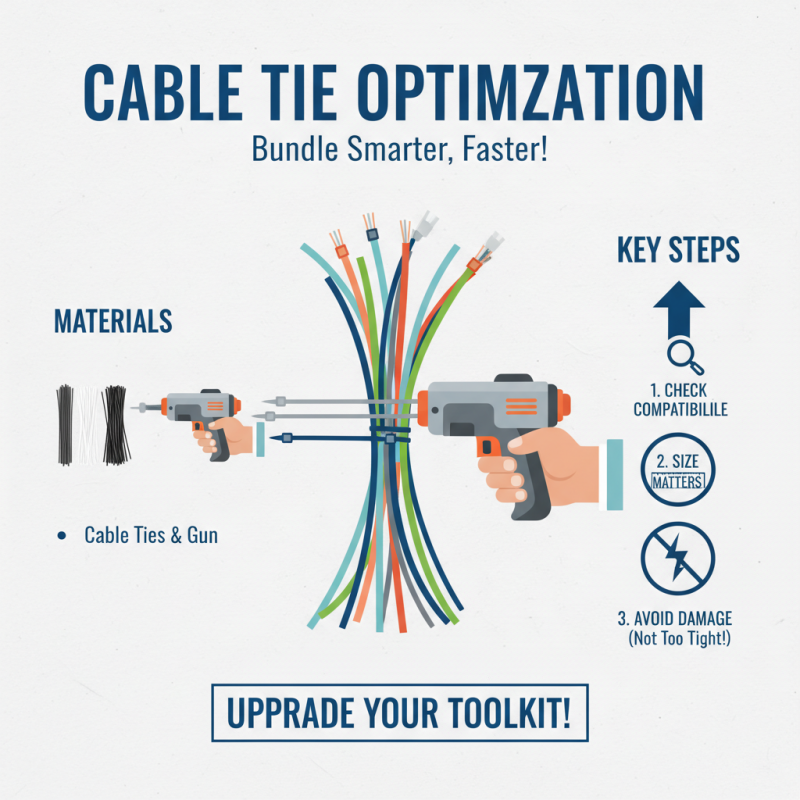
Using a cable tie gun can drastically improve your bundling tasks. To start, gather your materials. You'll need the cable ties and the cable tie gun. Ensure that they are compatible. This step is crucial. Picking the right size makes a difference. If the ties are too tight, they could damage your cables or wires.
Next, place the cable tie into the gun. This part can be tricky. Sometimes the tie doesn’t sit properly. You’ll want to check that the end of the tie is inserted correctly. Once you have it in place, wrap the tie around the items you want to bundle. Squeeze the gun's trigger to tighten it. You may need to apply a little more pressure. It's not always easy to get it right on the first try.
After tightening, trim the excess tie if needed. Don't rush this step. A rough cut can leave sharp edges, which may be unsafe. Take your time to ensure a neat finish. Sometimes, it’s worth revisiting the bundling technique. Smooth and organized bundles not only look better but are also more functional. Reflect on your process and make adjustments for next time.
Common Mistakes to Avoid When Using a Cable Tie Gun
When using a cable tie gun, it's easy to make mistakes. One common error is applying too much pressure. This can lead to over-tightened ties, which damage cables or wires. Inspect your tension settings before starting. Not all materials require the same tightness. It’s critical to find that balance. Spending extra time on this step can save you from wasted resources.
Another frequent mistake is not securing the cable tie gun properly. This can result in misalignment. Without proper alignment, your bundles may look messy. Take time to ensure the ties are straight and evenly spaced. Additionally, check the size of the cable tie. Choosing the wrong length can create frustrations during bundling.
Don't underestimate the importance of practice. Some might think they’ve mastered the tool after a few uses. However, being skilled requires repetition and reflection. Learn from each attempt. Pay attention to how much tension each cable needs. Continuous improvement will lead to better results.
Maintenance Tips for Prolonging the Life of Your Cable Tie Gun
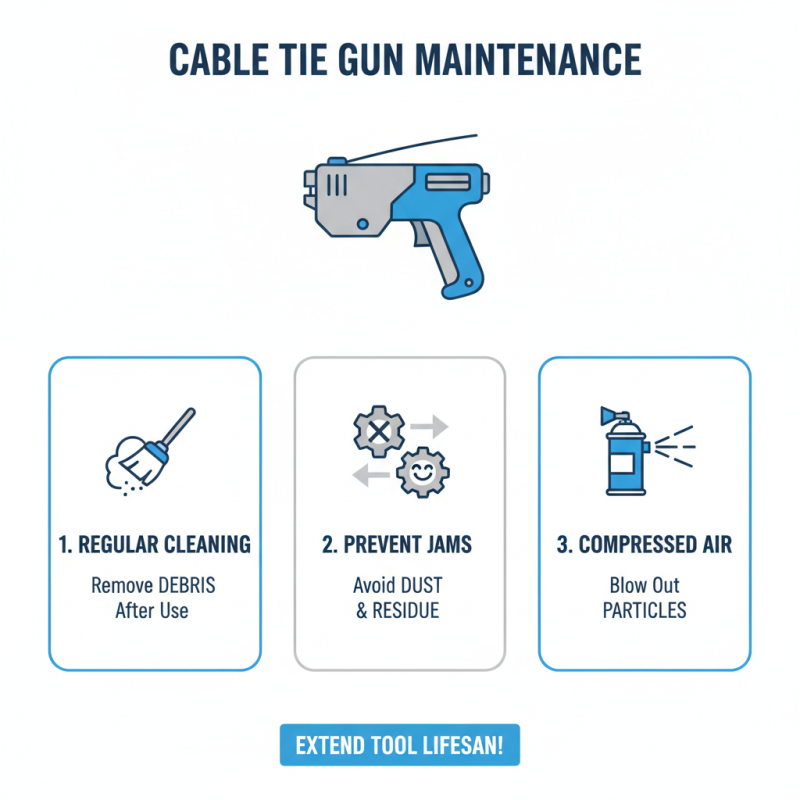
Proper maintenance of your cable tie gun can significantly enhance its lifespan. Regular cleaning is essential. After each use, remove any debris or dirt from the tool. Dust and residue can cause the mechanism to jam, affecting performance. Consider using compressed air to blow out leftover particles when you finish bundling.
To keep the cable tie gun functioning smoothly, inspect it regularly. Check for any signs of wear and tear. A worn-out blade can lead to uneven cuts, making your bundles look unprofessional. If you notice any issues, replace the parts immediately. Addressing minor problems early can prevent bigger ones later.
Lubrication is another key factor. Apply a thin layer of machine oil to the moving parts. This helps reduce friction and wear. However, be cautious not to over-lubricate, as excess oil can attract dirt. Keeping your tool in good condition not only saves money but makes bundling tasks more efficient. Treat your cable tie gun well, and it will serve you effectively for years.